There is no internet for robots.
Language models inherited a finished corpus. Physical AI inherits nothing. How that gap is closed decides whose models reach the real world.
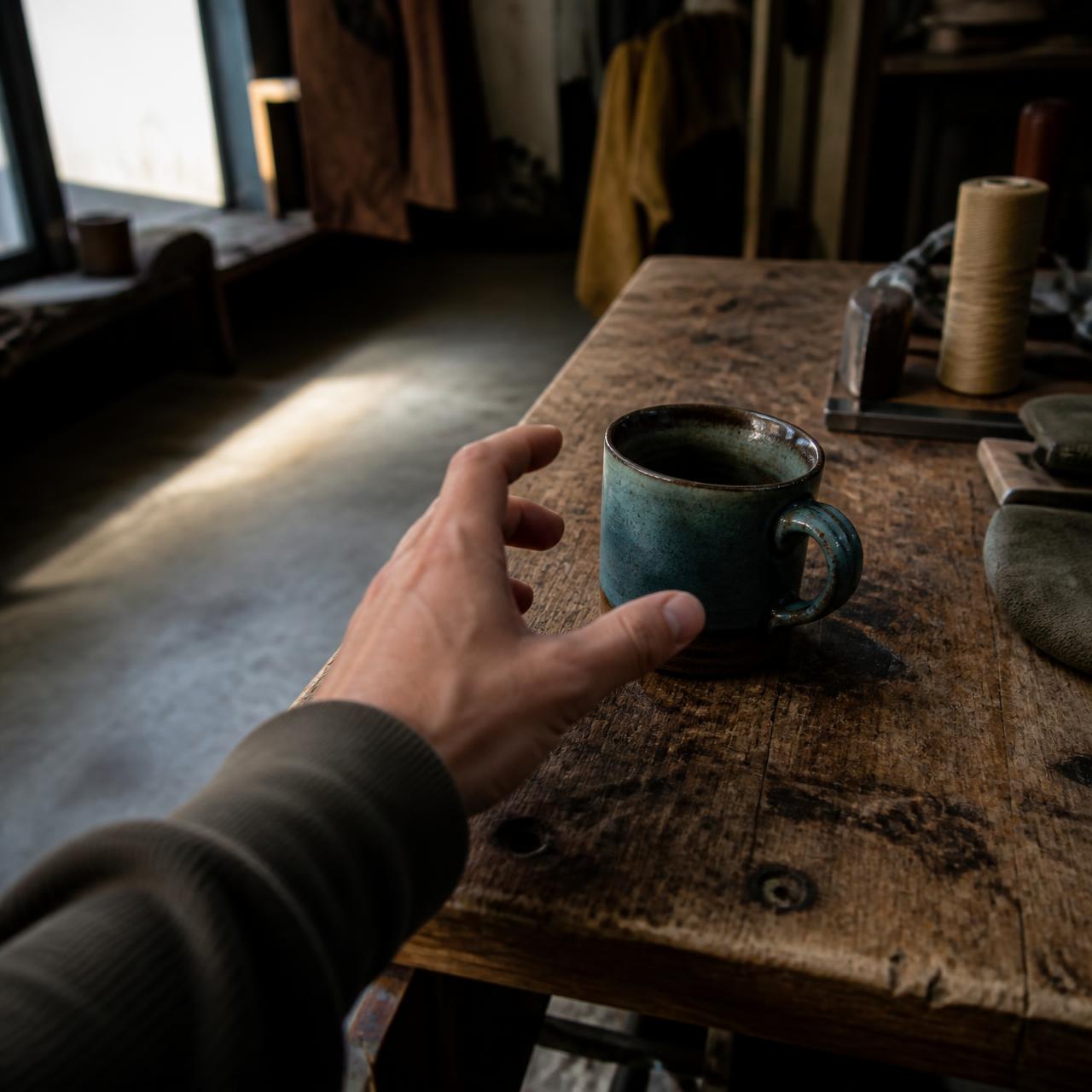
Language models were trained on a world that had already written itself down. Decades of text sat on the open web before the work began. Physical intelligence has no such inheritance. The way a hand re-seats its grip on a slipping plate, the weight shift before a lift, the small constant corrections inside a minute of ordinary work, none of it was ever recorded. It was performed, and then it was gone. There is no corpus of the physical world. It exists only once someone sets out to capture it.
That single fact reorders the whole problem. Real-world interaction data today amounts to a fraction of a percent of what language pre-training consumed, and the field needs orders of magnitude more before manipulation is reliable enough to deploy. None of it can be scraped, because none of it is sitting anywhere to be scraped. Every hour has to be collected on purpose, from reality.
The tempting response is to chase volume, and it is the costliest mistake in the category. The cheapest footage to gather, clean and successful demonstrations, teaches a model the least, because a policy raised on tidy takes learns to perform rather than to recover. What separates a system that works in a controlled cell from one that works in a real building is everything that goes slightly wrong: the grasp that slips and is recovered, the object a few centimetres out of place, the light the model never saw, the step corrected without thinking. That is the signal. A library of clean takes buys a demo, not a skill.
Physical competence does not generalise the way language does, either. A model that has read about a task can reason about it untried; a policy that has mastered one task on a counter has gained almost nothing toward the next. The setting does not transfer, and the task does not transfer. So the data requirement never shrinks as models improve. It grows with every new task, environment, and embodiment a programme takes on, which is why this is a permanent capability to build, not a one-time dataset to buy.
This is the work Physicore exists to do, and it is why the work is a partnership rather than a purchase. A capture programme starts from a model team's reality: the tasks the system has to perform, the environments it will be deployed into, the embodiment it runs on, and the failures that are costing reliability now. Those requirements set what is captured, how it is captured, and where. Collection runs across real environments and many geographies, deliberately including the hard cases, then comes back synchronised, labelled, and clean in its provenance, in the form a model can train on directly. Each round is shaped by what the last round did to the model's performance. The result is a data engine tuned to one lab's world, not a catalogue sold to everyone at once.
That is the difference between owning hours of footage and owning the capability to turn reality into intelligence. Generic volume is increasingly commoditised. Deployment-shaped data is not. Deliberate, diverse, deployment-shaped data, captured with the lab and built to the model it serves, is what carries a system from the lab to the floor. The real world was never written down. Writing it down, on purpose and alongside the teams who will train on it, is the work — and evaluation is what tells us which missing conditions become the next collection specification.
— Further reading